
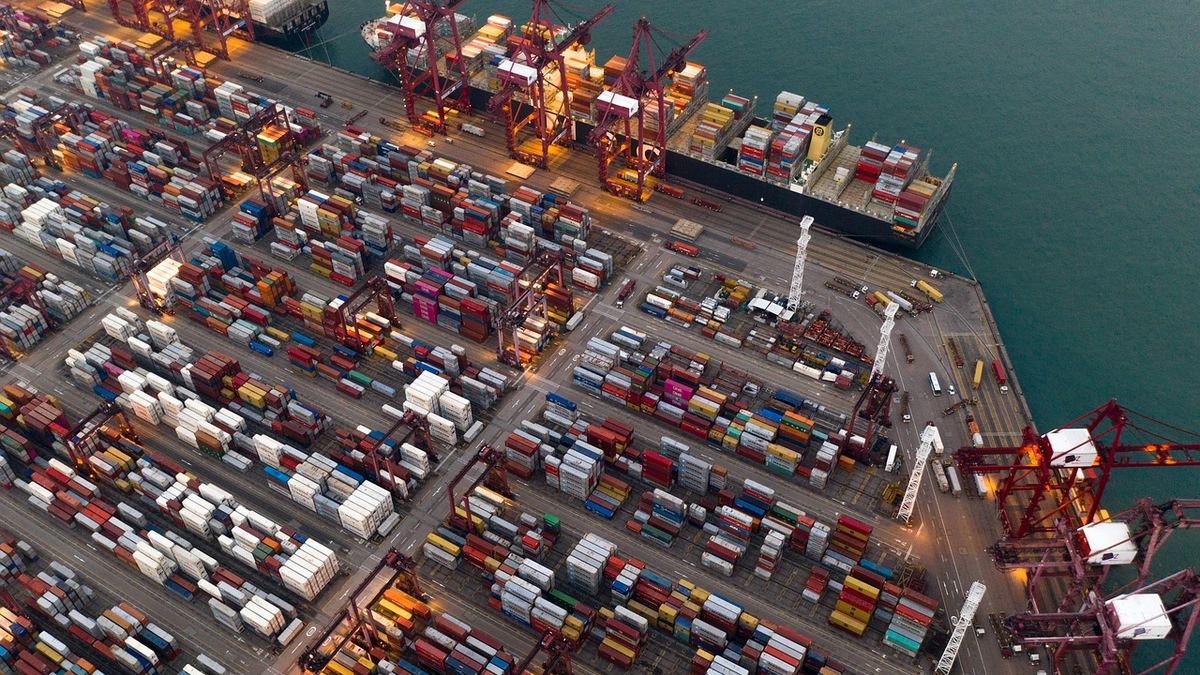
What is a transshipment port?
A transshipment port is an intermediate port where the container is discharged from the first vessel and loaded onto another vessel that completes the voyage to the destination. The cargo is not delivered there; it only changes ships.
Why doesn't the vessel sail directly?
Shipping lines work much like airline networks: very large vessels move between major hub ports, and smaller feeder vessels carry containers between those hubs and smaller ports. This keeps shipping cheaper and more regular, but it adds one or more stops along the way.
Well-known hubs on routes to Saudi Arabia include Singapore, Colombo, Salalah, Jebel Ali, and King Abdullah Port.
How to tell your shipment is at a transshipment port
In the shipment's movement history you will usually see this sequence:
- Load at the port of loading.
- Departure of the first vessel.
- Discharge at the transshipment port.
- Load onto a new vessel at the transshipment port.
- Departure of the second vessel, then arrival and discharge at the destination.
When the container is loaded onto the second vessel, the vessel name and voyage number in the shipment details change. This is normal.
Why the wait at transshipment can be long
- Next vessel's schedule: the next vessel to your destination may not sail for several days.
- Full vessels: if there is no space on the planned vessel, the container rolls over to the following one.
- Port congestion: slow discharge and loading at busy hubs.
- Schedule changes: the line merges or cancels sailings.
All of this feeds into the estimated arrival date, which is why the ETA can slip suddenly even when the first vessel arrived on time. Read more in What does ETA mean, and why does it keep changing.
What to do if the wait drags on
- Check the next vessel's name and departure date on the carrier's tracking page.
- Ask your forwarder why the container is waiting and which vessel it will take.
- Update your customs broker, warehouse, and customers with the new date.
Follow transshipments without searching
Big Chains shows the shipment's full movement table, with the transshipment port names, the vessel on each leg, the upcoming expected movements, and a map showing the ports of the voyage in order. When the ETA changes because of a transshipment, you get an alert right away.