
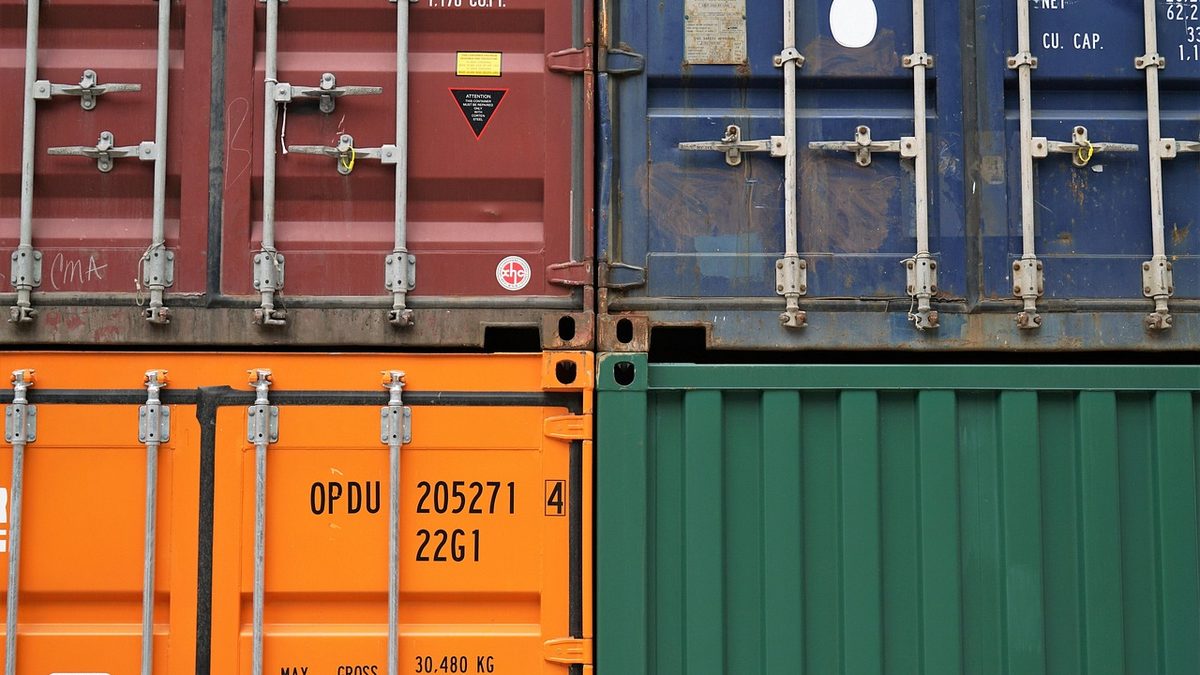
Why understanding the container number matters
The container number is the easiest way to track an ocean shipment, but it is also the number most often typed wrong. One different letter or digit means the search returns nothing, and the shipper assumes the carrier has not updated its data, when the problem is the number itself.
A container number is not random. It follows a single international standard (ISO 6346) used by every shipping line and container leasing company.
The structure: 11 characters
A container number is four letters followed by seven digits, for example: ABCU 123456 7
- The first three letters: the owner code, either the shipping line or a leasing company. This is why the carrier can usually be identified from the start of the number.
- The fourth letter: the equipment category. For ordinary freight containers it is usually U.
- The next six digits: the container's serial number with its owner.
- The last digit: the check digit, calculated mathematically from the ten characters before it.
The check digit: a built-in error detector
The check digit is designed to catch common typing mistakes, such as two swapped digits or one wrong letter. If a single character changes, the check digit will no longer match in most cases.
So if your container does not appear on the carrier's tracking page, the first step is to check the number character by character before contacting anyone.
Common mistakes when writing the number
- Mixing up the letter O and the digit 0: the first four characters are always letters, and the seven after them are always digits.
- Mixing up the letter I and the digit 1.
- Leaving out the check digit: some documents print it separately or inside a box, so it gets dropped when copying.
- Using the seal number instead of the container number: the seal number often appears next to the container number on documents, but it is a completely different number.
What are the other codes on the container door?
Next to the container number you will usually see a four-character code such as 22G1 or 45G1. This is the size and type code: the first character indicates the length, the second the height, and the last two the container type. You will also find the maximum gross weight and the empty (tare) weight. For more on sizes, read Container Types and Sizes.
Where to find the container number
- On the bill of lading.
- On the shipping advice from the supplier or forwarder.
- Sometimes on the packing list.
- On the container door itself.
Track the container once the number is confirmed
Once the number is confirmed, you can track it for free from our tracking pages by carrier, which identify the carrier from the start of the number and take you to its official tracking page. If you would rather follow the shipment automatically without searching again and again, add the number once in Big Chains: the platform identifies the carrier from the number and alerts you whenever the arrival date changes.